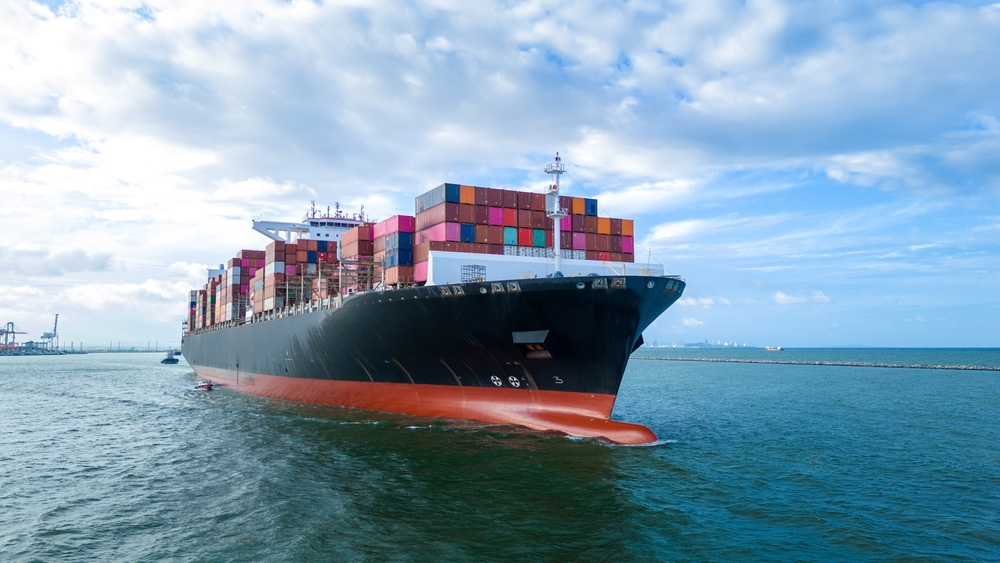

For a ship manager or chief engineer, few phrases trigger a spike in anxiety quite like, “The generator fuel injection pump just failed, and we are transiting to port in forty-eight hours.”
In the maritime industry, time is not just money, it is a compounding liability. When a commercial vessel is forced to extend its port stay or, worse, face an unscheduled lay-up due to a critical mechanical failure, the financial repercussions ripple outward instantly. Daily charter rates, port demurrage fees, missed delivery windows, and disrupted supply chains can easily turn a single broken component into a six-figure operational nightmare.
Compounding this pressure is the sheer complexity of modern vessel management. Today’s international fleets are floating patchworks of engineering history. Tracking down a highly specific, out-of-production seal kit or a specialized turbocharger rotor on a strict deadline is difficult under ideal circumstances. When a ship is actively steaming toward a port with a tight cargo-turnaround window, it requires an exceptional level of logistical precision.
At Coast To Coast International Marine Services, as a ship supplier in NJ, specialize in managing these critical, high-stakes scenarios. Overcoming the severe supply chain hurdles inherent to modern marine logistics requires a combination of global network integration, technical expertise, and rapid port-side execution to deliver critical components exactly when and where they are needed.
The Landscape of Supply Chain Friction
The marine supply chain is uniquely hostile to last-minute requests. Unlike domestic automotive or industrial logistics, where a part can often be overnighted via standard courier services, marine logistics must contend with three distinct operational barriers:
1. The Reality of Fragmented Global Inventory
Marine component manufacturers rarely maintain centralized, universally accessible distribution hubs for every legacy part. A replacement liner for a twenty-year-old two-stroke diesel engine might exist in only three places globally: a manufacturer’s warehouse in South Korea, a specialized distributor in Rotterdam, or an authorized salvage yard in Singapore. Finding it requires deep technical knowledge and a highly specialized network.
2. Regulatory and Customs Bottlenecks
Moving high-value, heavy industrial machinery across international borders under tight deadlines is a compliance minefield. An urgent component routed from an overseas warehouse can easily become stuck in customs due to improper Harmonized System (HS) code classification, missing commercial invoices, or local port authorities requiring specialized environmental clearances. If a part sits in a customs warehouse for even twelve hours too long, the vessel may be forced to sail without it.
3. Synchronizing Deliveries with Port Windows
Commercial vessels operate on rigid schedules governed by tides, berth availability, and labor shifts. A ship may only have a twelve-hour window to discharge cargo, take on provisions, and depart. The logistical challenge is not merely moving a part from point A to point B; it is making certain that a three-ton component arrives at the specific terminal, clears port security, and is positioned on the dock exactly as the vessel drops its lines.
Leveraging an International Network for Niche Components
When a critical component fails at sea, standard procurement processes are inadequate. Overcoming these hurdles requires a highly responsive procurement framework built on an active, deeply vetted global network.
The breakdown of our urgent response protocol operates through a distinct sequence of sourcing stages:
- Vessel Reports Failure at Sea: The ship crew identifies the mechanical breakdown and broadcasts technical details to our center.
- Coast to Coast Global Procurement Network Launched: We simultaneously engage our international offices across key maritime hubs, including Houston, Rotterdam, Singapore, and Shanghai.
- Parallel Sourcing Check: Technical buyers query original equipment manufacturer warehouses alongside vetted regional distributors worldwide.
- Technical Optimization and Parts Cross-Referencing: Our engineering teams verify dimensions, materials, and class certifications.
- Component Located and Authenticated: The target spare part is secured and verified as fully compatible before transit begins.
Crucially, this process relies on specialized engineering knowledge rather than simple part-number matching. Component documentation on older vessels can often be incomplete, outdated, or altered due to past refits. Our technical teams cross-reference historical equipment blueprints and global manufacturer supersessions to identify identical, fully compatible alternatives. If an exact original manufacturer branded component is unavailable within the required geographical window, we quickly source an authorized, fully certified equivalent that satisfies class society regulations.
By maintaining direct, personal relationships with specialized manufacturers and niche regional distributors worldwide, we regularly locate obsolete or rare deck and engine components that larger, bureaucratic supply networks overlook.
Precision Logistics: From Warehouse to Berth
Locating a rare mechanical component is only half the battle; the more complex challenge is the physical transport. To reliably deliver last-minute technical spares, every step of the transit corridor must be precisely managed and monitored.
The critical milestones required to move a component safely to the vessel follow a tight operational path:
- Component Located: The certified part is packed, crated, and prepared for immediate dispatch at the source warehouse.
- Priority Air Freight Routing: The cargo is placed on the fastest possible flight path using established air-charter relationships and dedicated hot-shot couriers.
- Pre-Cleared Customs Processing: Documentation, commercial invoices, and HS classifications are finalized while the part is mid-air to prevent border friction.
- Last-Mile Port Delivery: Ground transport is carefully synchronized with the vessel’s arrival at the terminal.
- Spares Delivered Direct-to-Deck: The delivery bypasses terminal storage bottlenecks, placing the components directly into the hands of the ship crew.
Strategic Air Freight and Expedited Routing
When a vessel’s schedule is measured in hours, standard freight forwarding is not an option. We utilize priority air freight routing, leveraging established air-charter relationships and dedicated hot-shot courier services worldwide. Whether it is a delicate printed circuit board for a bridge navigation system or a heavy auxiliary engine crankshaft, the component is placed on the fastest possible flight path to the vessel’s next port of call.
Proactive Customs Clearance and Regulatory Strategy
To prevent administrative delays at international borders, our logistics teams initiate the documentation process the moment a part is located. By preparing comprehensive customs manifests, verifying HS classifications, and utilizing pre-clearance protocols with local maritime customs brokers, we keep components moving through international entry hubs without delay. This proactive approach bypasses the typical administrative backlogs that frequently stall urgent maritime cargo.
Last-Mile Coordination and Port-Side Delivery
The final leg of the journey, moving the component from the local airport or warehouse to the ship’s side, is often the most sensitive. It requires precise synchronization between air couriers, local port agents, terminal operators, and the vessel’s crew.
Coast To Coast International Marine Services manages this final leg directly. We coordinate with local barge operators, crane services, and port authorities to confirm that as the ship approaches the berth, the required spares are already waiting at the dock or staged on a delivery supply boat. This seamless handoff eliminates terminal waiting times and allows the ship’s crew to begin installation and testing immediately upon arrival.
Reducing Downtime through Proactive Support
In the demanding world of international shipping, a supply chain is only as strong as its fastest response. When an unexpected mechanical failure threatens your vessel’s operational schedule, relying on standard procurement methods introduces unnecessary risk to your bottom line.
Coast To Coast International Marine Services provides the global infrastructure, technical expertise, and precision logistics required to turn complex supply chain challenges into predictable, manageable operations. By tracking down rare components and managing the transport process directly to the ship’s side, we help operators minimize costly port delays and keep their fleets moving safely and efficiently with our ship supply services in MD.
When your next critical engineering challenge arises at sea, protect your operational schedule by partnering with a team capable of delivering under pressure.
Do you have an urgent technical requirement or an upcoming port turn that demands absolute logistical precision? Contact Coast To Coast International Marine Services today to secure your critical spares exactly when you need them.