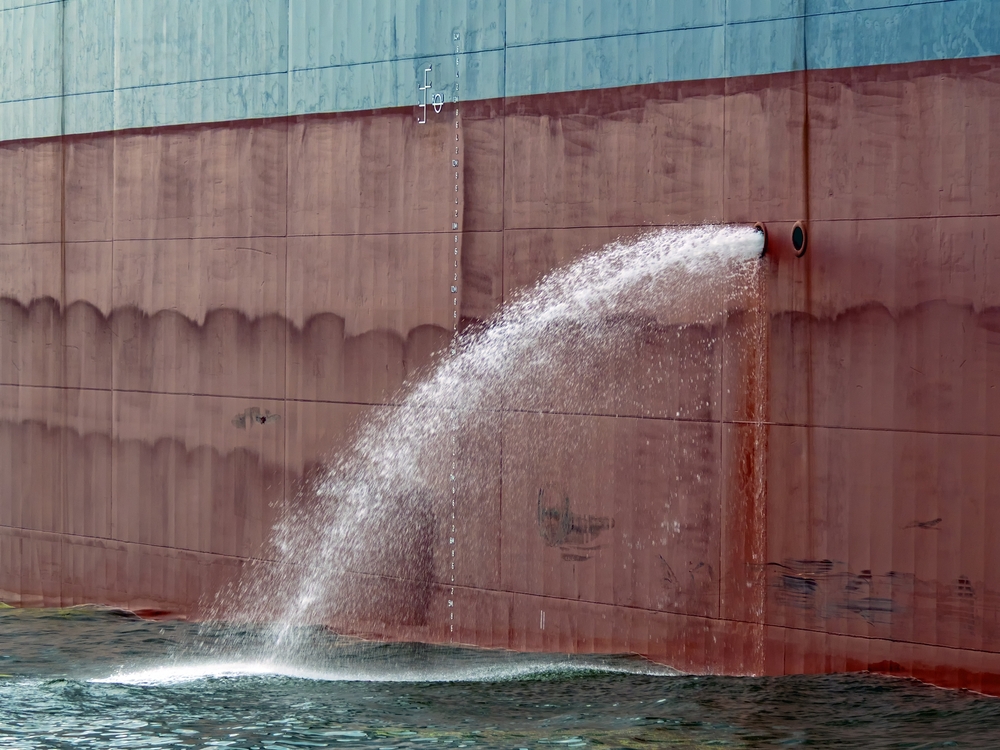

Every marine facility manager, harbormaster, and vessel owner knows the basic rule of the engine room: keep the bilge dry, and never discharge oily water overboard. However, beneath the floorplates lies a far more complex chemical reality than standard routine monitoring suggests. Bilge water isn’t just a mixture of seawater and a little spilled diesel; it is full of industrial contaminants.
During major overhauls, shipyard maintenance, or heavy servicing, relying solely on standard onboard filtration isn’t just risky; it can lead to costly equipment failure, regulatory fines, and severe environmental damage.
Here is a look at what is actually lurking in your bilge, why standard separators fall short, and how professional shore-side offloading from industry experts like Coast To Coast International Marine Services protects both your vessel and the marine ecosystem.
What’s Lurking Below: Beyond Water and Diesel
When most people think of bilge waste, they picture free-floating diesel or lube oil skimming the surface of water. In reality, a vessel’s bilge serves as the engine room’s collection point, where water mixes with small amounts of oil, fuel, hydraulic fluid, coolants, detergents, rust, dirt, and other residues from normal machinery operations and maintenance.
Over time, routine leaks, washdowns, and maintenance activities introduce a dangerous blend of chemical contaminants into the bilge:
- Emulsified Oils: Unlike free oil that floats neatly on top of water, emulsified oil consists of tiny droplets suspended throughout the water column, often stabilized by soaps, detergents, or mechanical agitation from bilge pumps.
- Coolants & Antifreeze: Glycols and corrosion inhibitors leaking from cooling systems alter the chemistry of the waste stream and can prove highly toxic to marine life.
- Solvents & Degreasers: Harsh chemicals used during engine tear-downs or deck washdowns lower the surface tension of the liquid, actively preventing oils from separating naturally.
- Heavy Metals: Wear and tear on engine components, piping, and machinery releases microscopic particles of copper, lead, zinc, nickel, and iron. Unlike organic compounds, heavy metals do not break down over time; they accumulate in marine sediments and bioaccumulate up the food chain.
As these contaminants mix together, they form a complex wastewater stream that requires specialized treatment beyond simple gravity separation. Professional bilge water removal in Maryland makes sure the waste is collected, handled, and disposed of properly.
The Hard Truth About OWS Limitations
Modern vessels are equipped with Oil-Water Separators (OWS) designed to process bilge water down to the international standard of under 15 parts per million (ppm) before discharge. Under normal cruising conditions, a well-maintained OWS performs admirably.
However, standard onboard OWS units rely primarily on gravity separation and coalescing filters. They are designed for predictable, low-concentration oily water, not for heavy industrial waste.
While free-floating oil is easily separated by standard onboard OWS equipment, heavily emulsified or mixed chemical waste bypasses standard OWS systems entirely and requires shore-side vacuum removal and advanced treatment.
During major maintenance overhauls, engine refits, or dockside servicing, the bilge water composition changes dramatically:
- Surfactants Break the System: Detergents and degreasers used during heavy servicing break oil into microscopic droplets. Standard coalescing filters cannot force these tiny droplets to merge, allowing emulsified hydrocarbons to pass right through the sensor or blind the filter membranes instantly.
- Heavy Metals Bypassed: Standard OWS units do not filter out dissolved heavy metals or chemical solvents. Even if your discharge reads under 15 ppm for hydrocarbons, you may still be pumping toxic metals and solvents directly into the harbor.
- Filter Blinding & Costs: Running heavily contaminated, sludge-laden bilge water through an onboard system quickly fouls expensive filter elements and ceramic membranes, leading to unexpected downtime and high replacement costs.
When bilge water becomes heavily emulsified, thick with sludge, or contaminated with shop chemicals, attempting to process it onboard is a losing battle. This is precisely when professional shore-side vacuum truck offloading and land-based industrial treatment become non-negotiable.
Professional Offloading: Shore-Side Vacuum Truck Service
Calling in a proven partner like Coast To Coast International Marine Services shifts the burden from your vessel’s hardware to specialized, high-capacity shore-side infrastructure.
How Shore-Side Treatment Works
Instead of struggling with clogged onboard filters, high-powered vacuum trucks pump the contaminated bilge water directly from the vessel into certified transport tanks.
From there, Coast To Coast International Marine Services coordinates the transport of waste streams to licensed, specialized industrial treatment facilities capable of:
- Chemical Demulsification: Using specialized coagulants and flocculants to break chemical emulsions and force oil droplets out of suspension.
- Advanced Dissolved Air Flotation (DAF): Separating ultra-fine suspended solids and heavy oils.
- Heavy Metal Precipitation: Chemically binding and removing dissolved metals before the water undergoes final carbon filtration or biological treatment.
This process for bilge water removal in Newark, NJ guarantees that 100% of the waste stream is handled responsibly, keeping heavy contaminants entirely out of local waterways.
The Chain of Custody: Protecting Your Liability and the Environment
For marine facility managers, vessel owners, and harbormasters, environmental stewardship goes hand-in-hand with risk management. Under federal and international maritime laws (including MARPOL and EPA regulations), the vessel owner and facility remain legally responsible for waste from “cradle to grave.”
If an uncertified transporter dumps bilge waste illegally or an inadequate system discharges pollutants into the harbor, the liability traces right back to the waste generator.
Why Proper Documentation Matters
- Certified Manifests & Records: Coast To Coast International Marine Services provides a complete paper trail—detailing exact volumes, waste classifications, transport routes, and final disposal receipts at certified treatment facilities.
- Regulatory Compliance: Having official disposal documentation on file satisfies Coast Guard inspections, local port authority audits, and environmental compliance reviews.
- Eco-Certification & Reputation: Demonstrating strict compliance with waste tracking protects your marina or fleet’s reputation, keeping you clear of catastrophic fines, legal action, and public relations crises.
Partnering for Cleaner Oceans and Smoother Operations
At Coast To Coast International Marine Services, we understand that keeping your vessel compliant and operational requires reliable, expert support. Whether you are managing a commercial fleet overhaul, supervising dockside maintenance, or overseeing harbor operations, Coast To Coast International Marine Services delivers seamless, fully documented bilge water offloading and waste management services built around your schedule.
Contact Coast To Coast International Marine Services today to schedule professional bilge water pump-outs and protect your marine operations from the bottom up.