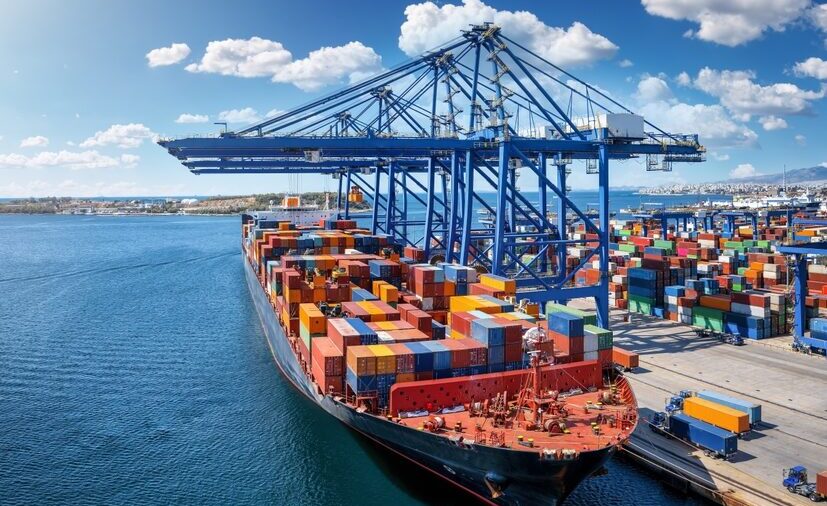

The clock is the most relentless enemy in the maritime industry. For a modern cargo vessel, time spent tied to a berth is a high-stakes countdown. Every hour a ship sits idle in port creates a domino effect on downstream shipping schedules, missed windows, and disrupted supply chains.
When a vessel calls at a port, it is undergoing a massive logistical reset. It needs fresh provisions to sustain the crew for weeks at sea, critical personal protective equipment (PPE) to maintain safety compliance, and highly specific technical spares to keep the engine room humming.
Delivering these vastly different categories of cargo simultaneously and right on time is the ultimate test of a ship chandler. Here is a behind-the-scenes look at the complex choreography of an on-demand maritime supply run and how precision logistics keep global shipping moving. Coast to Coast International Marine Services provides top of the line ship husbandry in NJ and more national services.
The Compounding Effect of a Lost Hour
To understand the value of a fast turnaround, you have to look at how port operations interconnect. Because container terminals and bulk berths operate on razor-thin windows, a delay of just two hours can cause a vessel to miss its tidal window or lose its departure slot. If that happens, the ship might be forced to drop anchor outside the harbor for days, waiting for the next available opening.
On-demand ship supply is an active safeguard against these operational nightmares. By aligning delivery schedules perfectly with cargo handling, vessels maintain their momentum without missing a beat.
Inside the Sync: Provisions, PPE, and Spares
The core challenge of maritime supply lies in its sheer variety. A ship chandler operates as a grocery store, a safety supplier, and a high-tech parts distributor all at once, under a ticking clock.
1. Fresh and Bonded Provisions
A crew that eats well operates safely. However, supplying a vessel with food requires stringent temperature control and flawless timing. Fresh produce, frozen meats, and dry goods must be picked, packed, and transferred into refrigerated trucks. If these goods sit on a hot pier for even an hour waiting for a customs clearance or a crane slot, inventory can spoil, and a crew goes hungry at sea.
2. PPE and Safety Compliance
Maritime safety regulations are absolute. If a vessel lacks the correct number of life jackets, immersion suits, safety harnesses, or specialized gas detector calibration kits, port state control can legally detain the ship. A marine supplier must verify that all PPE meets international standards, such as SOLAS and ISO guidelines, before it ever leaves the warehouse, making sure the paperwork matches the physical inventory perfectly.
3. Technical and Engine Spares
This is often the most volatile element of the mix. When an auxiliary engine or a ballast pump requires a specific seal, valve, or electronic component, there is no room for error. The supplier must source exact parts numbers, often across international networks, verify their specifications against the vessel’s machinery blueprints, and transport them securely to the berth.
The Chronology of a Zero-Delay Turnaround
How does this happen in real-time? A successful, zero-delay supply run follows a strictly orchestrated timeline that begins long before the ship hits the horizon.
- 72 Hours to Arrival: The Digital Handshake: The vessel’s chief mate and chief engineer send their requisition lists to the chandler via the local port agent. The supplier immediately goes to work, checking inventory, sourcing specialty items from local networks, and preparing the required customs declarations and manifest documentation.
- 24 Hours to Arrival: Consolidation and Quality Control: In the supplier’s warehouse, the three supply streams converge. Technical spares are matched against part numbers. PPE is verified for certification dates. Provisions are inspected for freshness and packed into climate-controlled zones. Logistics dispatchers lock in the exact delivery window with the terminal operator and the vessel’s agent.
- Arrival (Hour 0): The Pier-Side Staging: As the ship throws out its first mooring lines, the supplier’s flatbeds and refrigerated trucks are already arriving at the security gate. Because port access is strictly regulated, all driver credentials and terminal passes are cleared in advance to avoid gate delays.
- Hour 2: The Coordinated Lift: Timing is everything. The chandler works directly with the ship’s crew to coordinate the delivery using the ship’s provision crane or the terminal’s gangway. Frozen and chilled goods go up first to preserve the cold chain. Simultaneously, heavy technical spares are hoisted directly to the engine room access hatch, while palletized PPE is transferred to the deck lockers.
- Hour 5: Documentation and Departure: Inventory is checked, signed off by the ship’s officers, and customs clearances are finalized on the spot. The delivery team clears the pier, leaving the vessel fully supplied, compliant, and ready to cast off the moment cargo operations wrap up.
Why Local Expertise Outperforms Global Algorithms
In an era dominated by automated tracking systems and global logistics algorithms, on-demand maritime supply still fundamentally relies on local expertise and human relationships.
Ports are highly unpredictable environments. A sudden labor strike, a broken terminal crane, a sudden shift in weather, or a delayed customs officer can instantly derail a perfectly planned delivery. When these disruptions happen, a global automated system cannot pivot.
A local, dedicated ship chandler succeeds because they know the port layout intimately. They have direct lines to the terminal managers, understand the specific quirks of local customs offices, and maintain a trusted network of regional hot-shot couriers and specialty providers. If a ship suddenly realizes it needs a critical pump belt two hours before departure, a premier supplier sends a driver to a local distributor and gets it to the gangway before the lines are dropped.
Coast To Coast International Marine Services: Keeping Your Fleet Moving
At Coast To Coast International Marine Services, we know that in the shipping industry, a promise is only as good as the delivery time. We have built our reputation on mastering the high-wire act of simultaneous marine ship supply services in PA and down the coast.
By unifying your provisions, safety gear, and technical procurement into a single, flawlessly executed logistical pipeline, we take the stress out of your port calls. We deliver operational certainty, protecting your schedule and keeping your fleet safely on course.
The next time your vessel schedules a port call, don’t leave your turnaround time to chance. Reach out to Coast To Coast International Marine Services and experience the power of precision pier-side logistics.